Shemini Atzeret, the eighth day of the assembly is the eighth and last day of Sukkot, the Feast of Tabernacles. Today it is also known as “Simchat Torah” which means the “Joy of the Torah” which developed from the tradition of restarting the Torah reading cycle, but this joyful day has taken on new meaning since October 7, 2023.
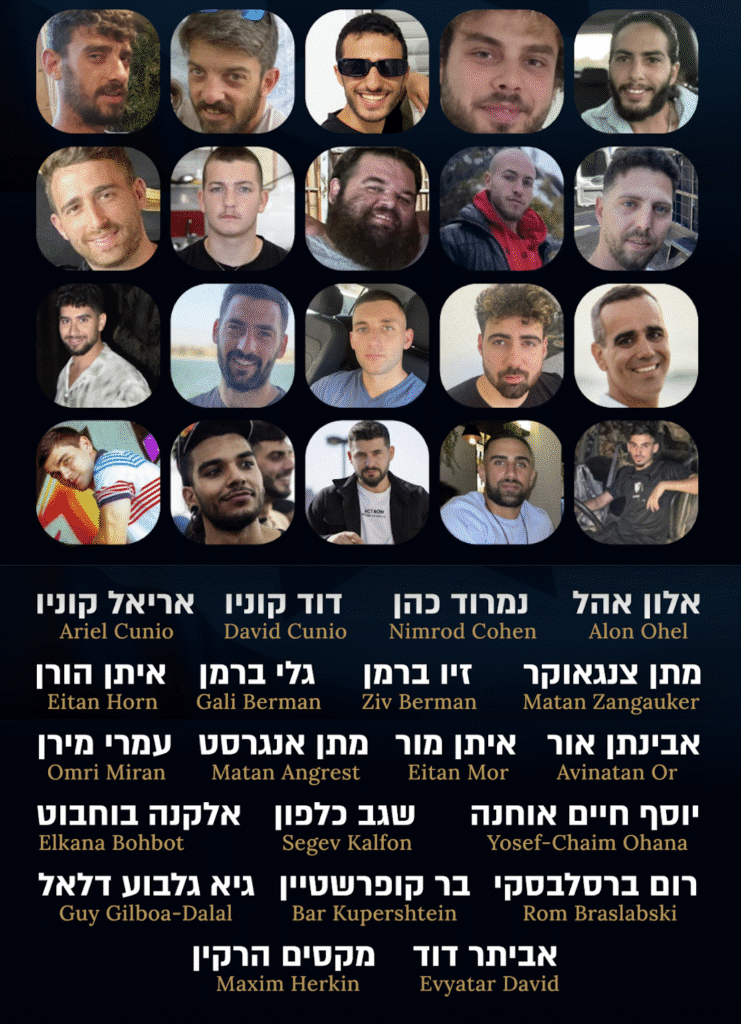
It was on the morning of Shemini Atzeret 2023 that Hamas burst through the borders to rape, butcher and mutilate over a thousand people, taking 251 hostage.
And it was on the eve of Shemini Atzeret 2025 that the remaining 48 hostages were finally released.
Many have been sharing this fitting verse from Nehemiah 8:
The whole company that had returned from captivity built temporary shelters and lived in them. From the days of Jeshua son of Nun until that [this!] day, the Israelites had not celebrated it like this. And their joy was very great. (Nehemiah 8:17)
It’s a miracle of God. We have witnessed the harvest of millions of prayers, and all the hostages are home.
I don’t think Shemini Atzeret will ever be the same again.
The season of our joy
Sukkot is known as the “Season of our Joy” because of the command to rejoice in the Feast:
You shall rejoice in your feast, you and your son and your daughter, your male servant and your female servant, the Levite, the sojourner, the fatherless, and the widow who are within your towns. For seven days you shall keep the feast to the Lord your God at the place that the Lord will choose, because the Lord your God will bless you in all your produce and in all the work of your hands, so that you will be altogether joyful. (Deuteronomy 16:14-15)
Well. Today at the end of Sukkot we are altogether joyful. Even in the supermarket on the eve of Shemini Atzeret, while everyone was getting their last minute shopping in before the holiday kicked in, a voice came over the tannoy in wonder at the wonderful news. “It’s an amazing day – the hostages are home! Let’s rejoice together! Am Israel Chai!”
This time is also known as the Feast of Ingathering, as all the harvest is brought in with joy. The firstfruits are gathered at Shavuot, the Feast of Weeks late in the Spring, and the Feast of Ingathering happens in the fall, at the “year’s end” according to Exodus 34:
“And you shall observe the Feast of Weeks, of the firstfruits of wheat harvest, and the Feast of Ingathering at the year’s end.” (Exodus 34:22)
The Hebrew word for “summer” (kaytz קיץ) is closely related to the word for “end” (קץ) and “harvest” (קציר) because they’re all related in time and concept. It’s interesting to see the description of “the year’s end” coming at Sukkot, given that Exodus 12:12 clearly states that the beginning of the year is in the month of Passover in the Spring, but it makes sense that with harvest coming at the end of the summer, the agricultural year comes to an end in the fall. Moreover, we see this season also serving as a turn-over time in several places in Scripture.
Turnover Time
While the biblical calendar starts on the first day of the first month (known as “Abib” in the Bible and “Nisan” today), even in the Torah we see indications that the there is something of a turnover time, a resetting, that comes with the fall feasts.
The Hebrew for “the year’s end” mentioned in Exodus 34 is tkufat hashanah (תְּקוּפַת הַשָּׁנָה) which literally means the period of the [changing] year. The Hebrew for year is “shanah” which comes from the root word to change.
In Leviticus 25 we read it is at Yom Kippur that the Jubilee year of release is declared by the sound of the shofar. Similarly, shmita years (Sabbath years) come into effect at the “end of the year,” according to Deuteronomy 15:1 and 31:10, with the end of the year specified as the Feast of Booths, which is Sukkot. Similarly, we see the same idea in Exodus 23:
“You shall keep the Feast of Harvest, of the firstfruits of your labor, of what you sow in the field. You shall keep the Feast of Ingathering at the end of the year, when you gather in from the field the fruit of your labor.” (Exodus 23:16)
Just before Moses handed over to Joshua ben Nun, he wrote out the prophetic song of everything that would happen to Israel and made them learn it, before going up to the mountain where God had called him to die.
Then Moses wrote this law and gave it to the priests, the sons of Levi, who carried the ark of the covenant of the Lord, and to all the elders of Israel. And Moses commanded them, “At the end of every seven years, at the set time in the year of release, at the Feast of Booths, when all Israel comes to appear before the Lord your God at the place that he will choose, you shall read this law before all Israel in their hearing.” (Deuteronomy 31:9-11)
The Law had been given, and Moses instructed the people to make sure they read it repeatedly as a community, over and over, at the end of the year. It seems the instruction was to read it at the end of every seven years, at the time of Sukkot, but today we read through the Bible each year, starting afresh at the end of Sukkot.
Isn’t it funny that at Simchat Torah, the time we restart the Torah cycle, it is also the set time of the year of release?
At Shemini Atzeret he Torah reading cycle starts again
The first five books of the Bible are called the Torah, which means “teaching” or “instruction.” Moses is believed to be the one who committed it to parchment, and certainly he was the one who received the instructions at Mount Sinai, and passed them on to us all.
Every year, Jewish people read through the five books of the Torah, bit by bit, in weekly sections known as the Torah Portion. To accompany the weekly Torah Portion, there is a much shorter section from the prophets that is connected in theme, known as the “Haftarah.” We have a series of teachings based on the Torah Portions, with insight from the New Testament for you to follow along.
The cycle restarts with the first Torah Portion “Bereshit” at the weekend of October 17 / 18 this year. The second portion, “Noach” is read the following weekend, and so on until Simchat Torah comes around again.
Why not join us?
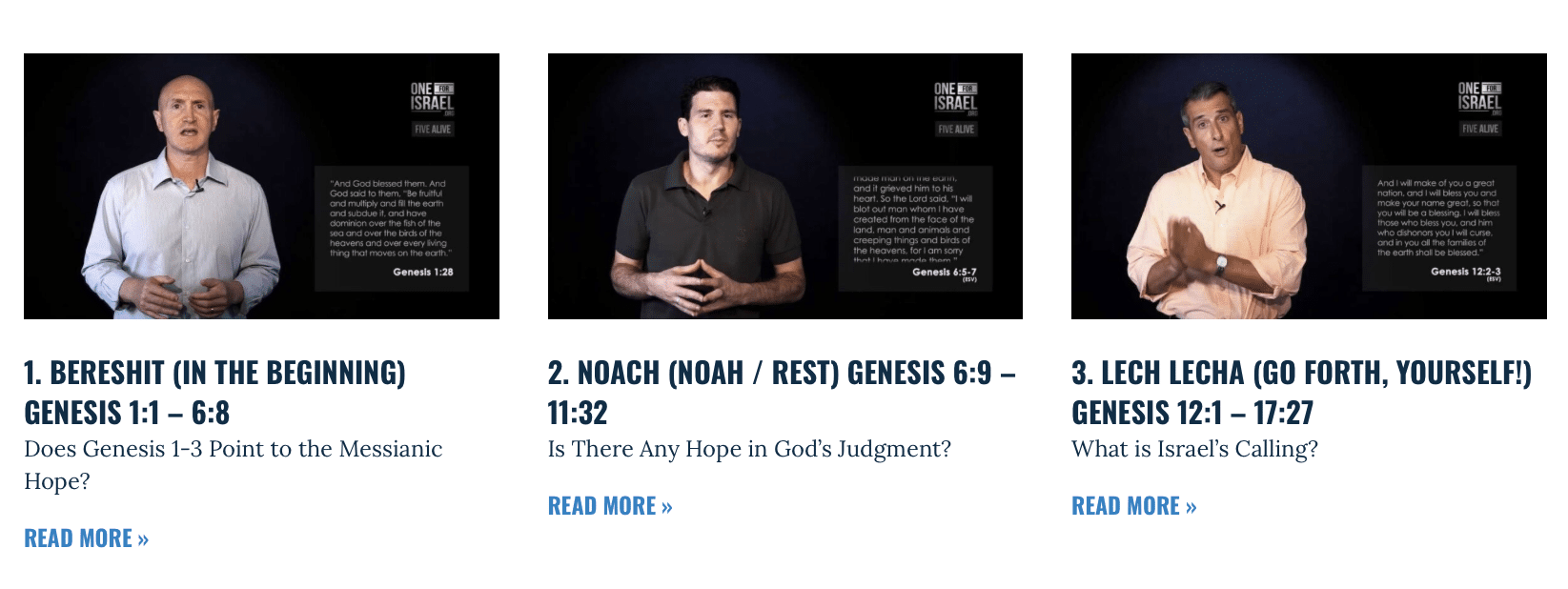
Photo by Aida L on Unsplash